
Weft Extensions
A new standard of weft. Thin, soft and barely there, hand-finished in human hair and cut to your head on the day.
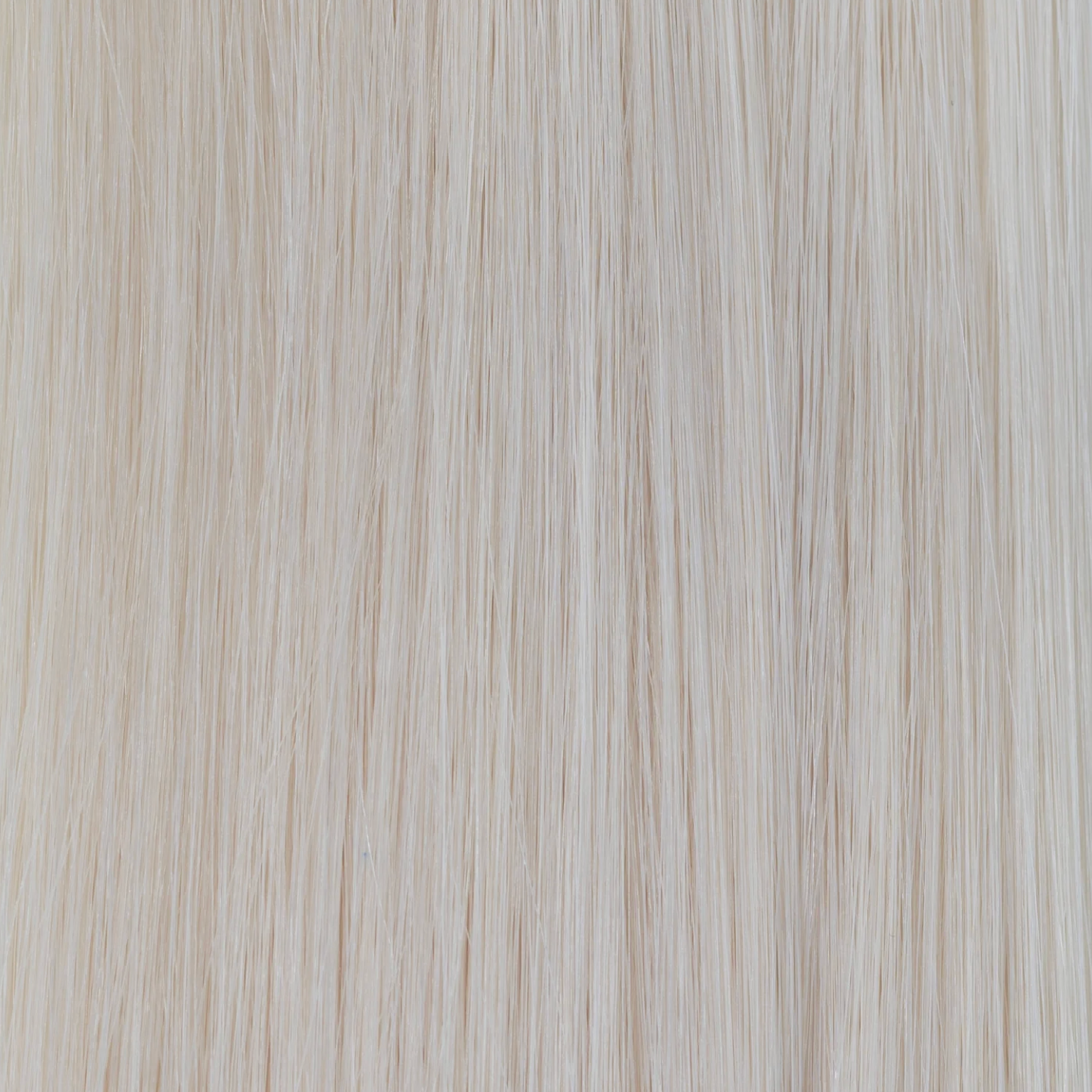
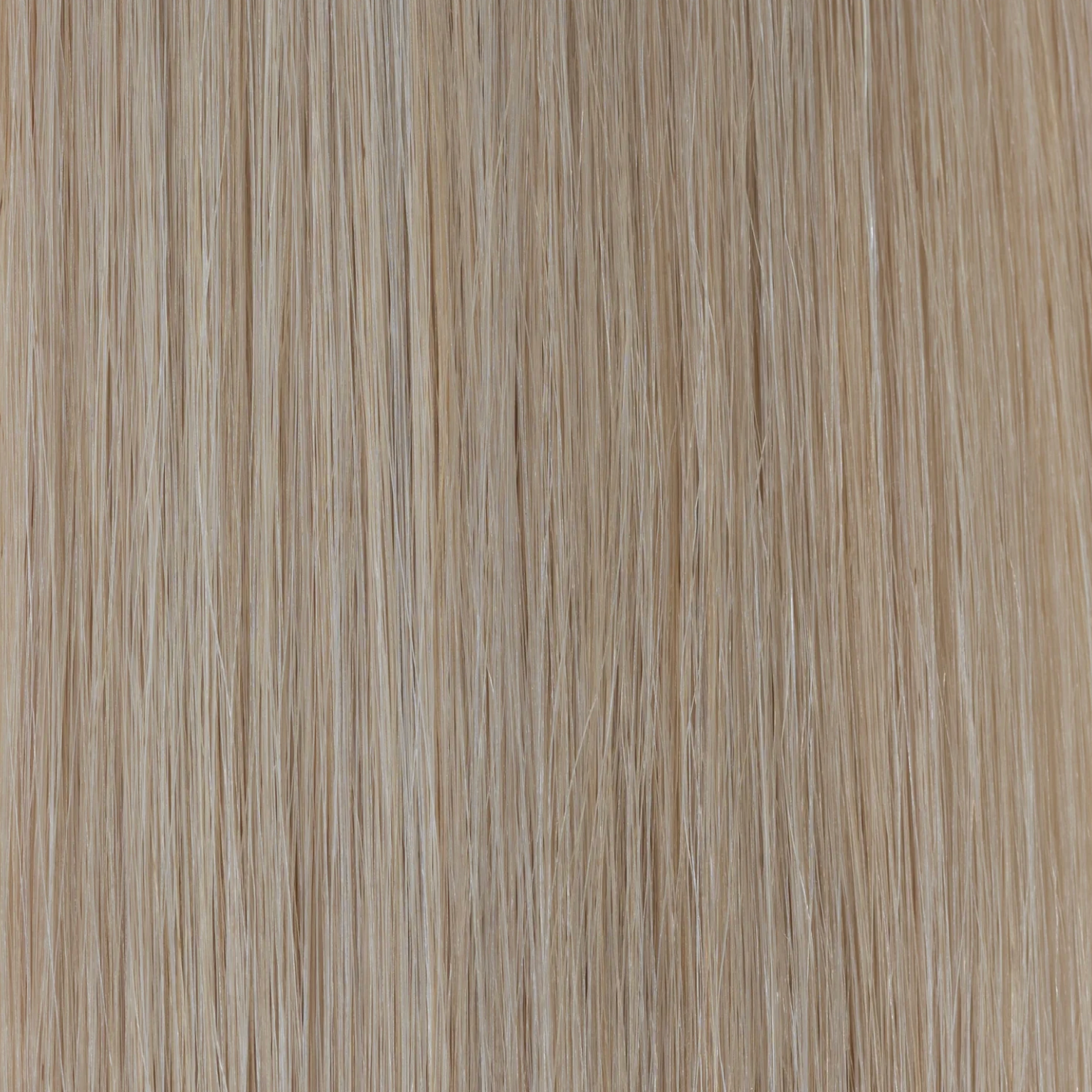
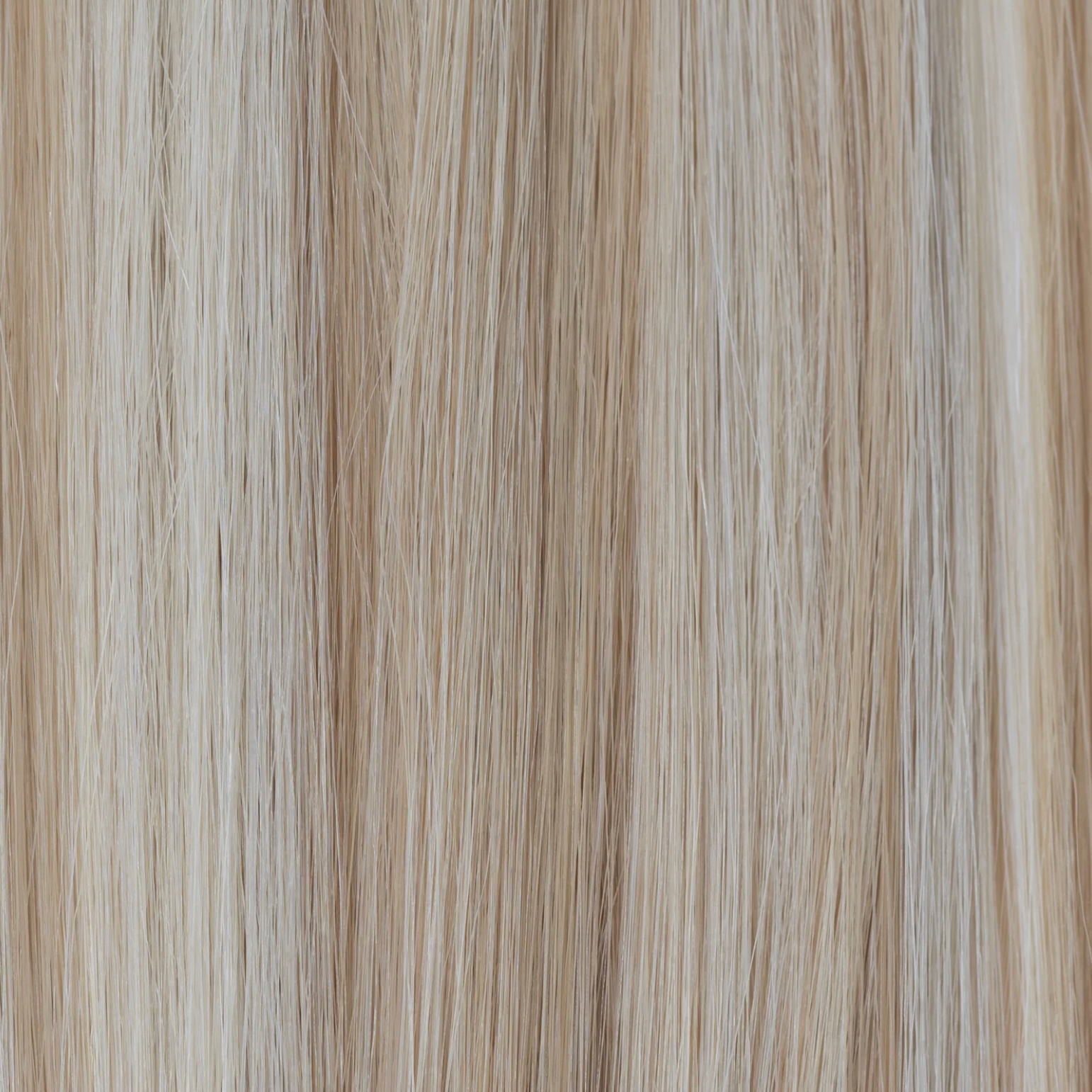
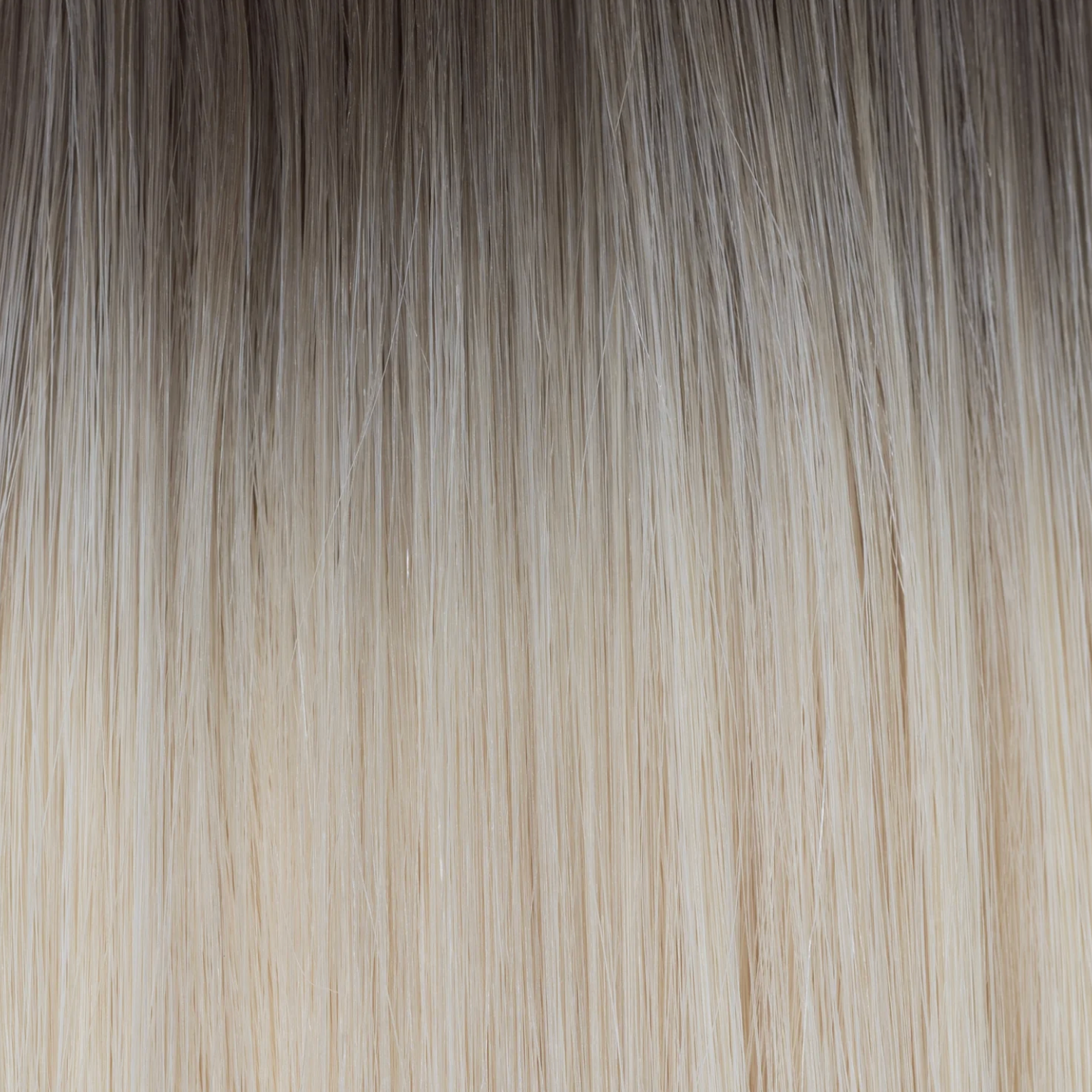
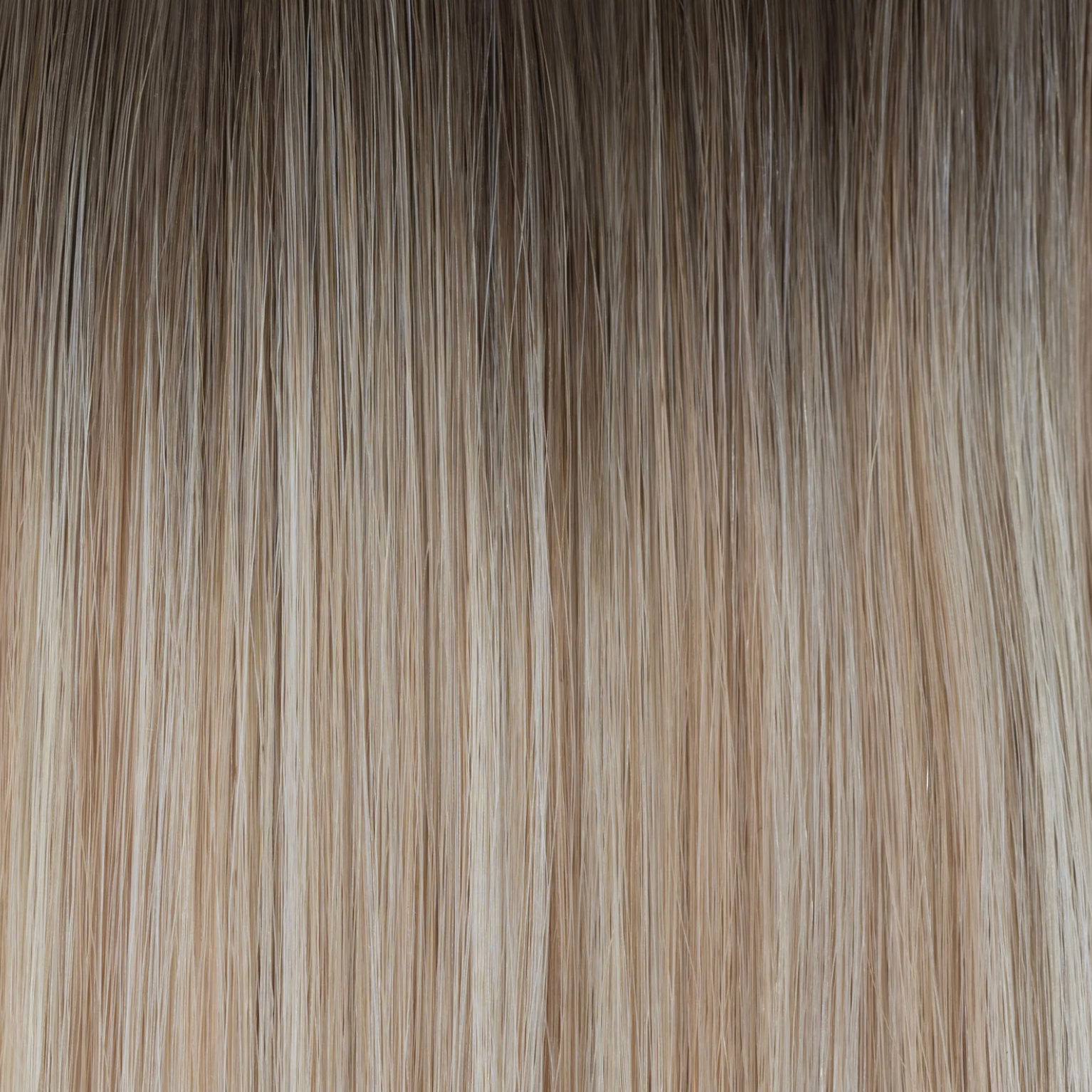
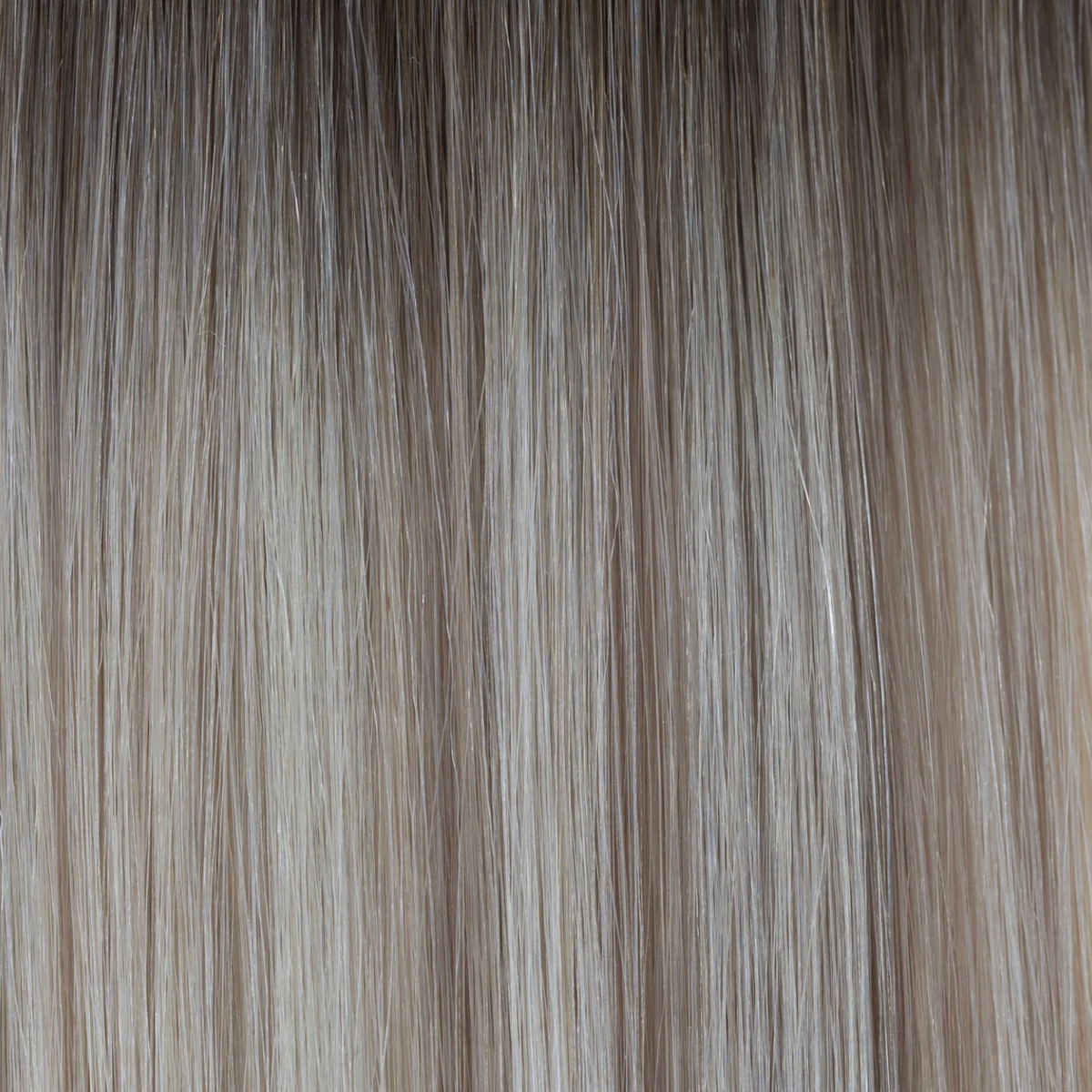
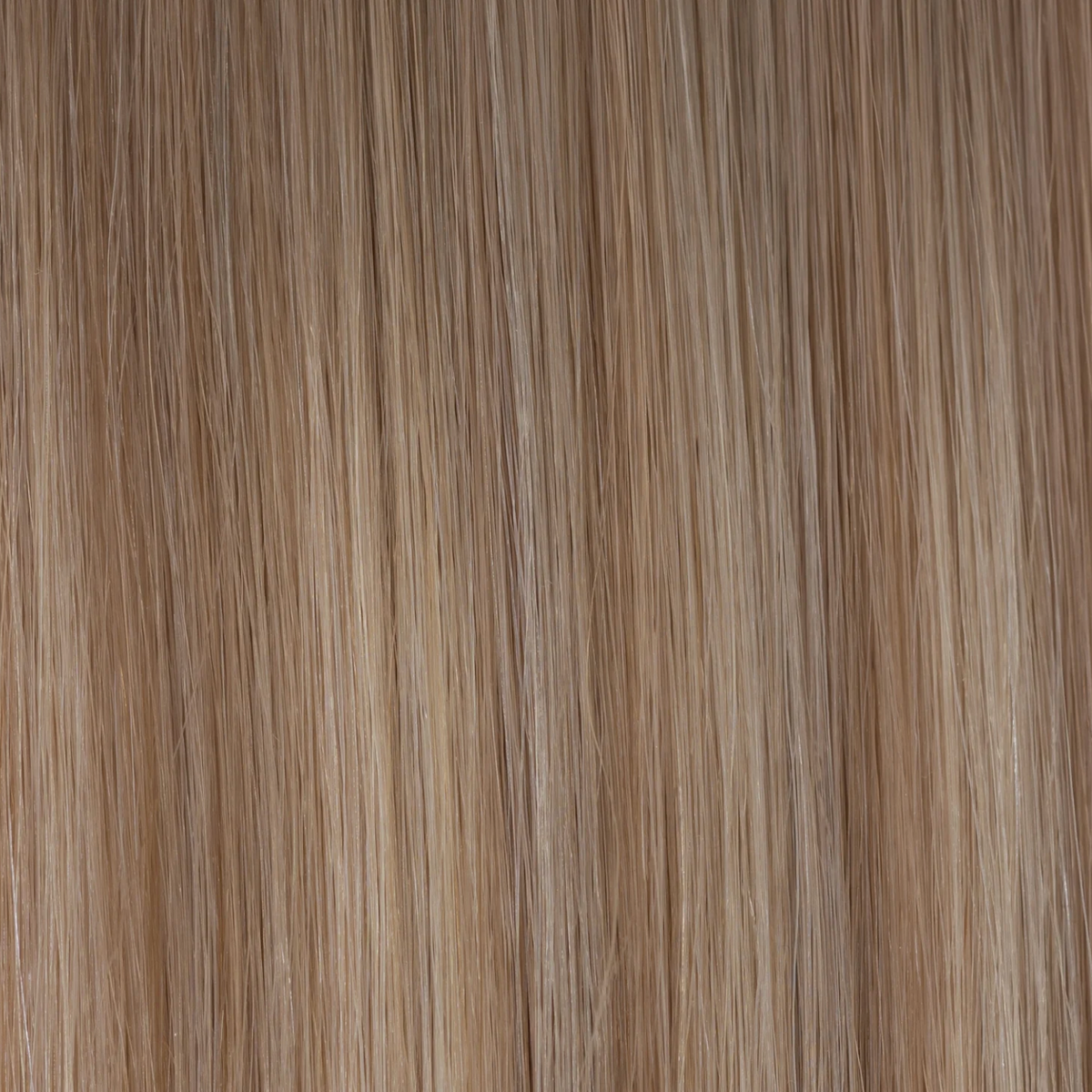
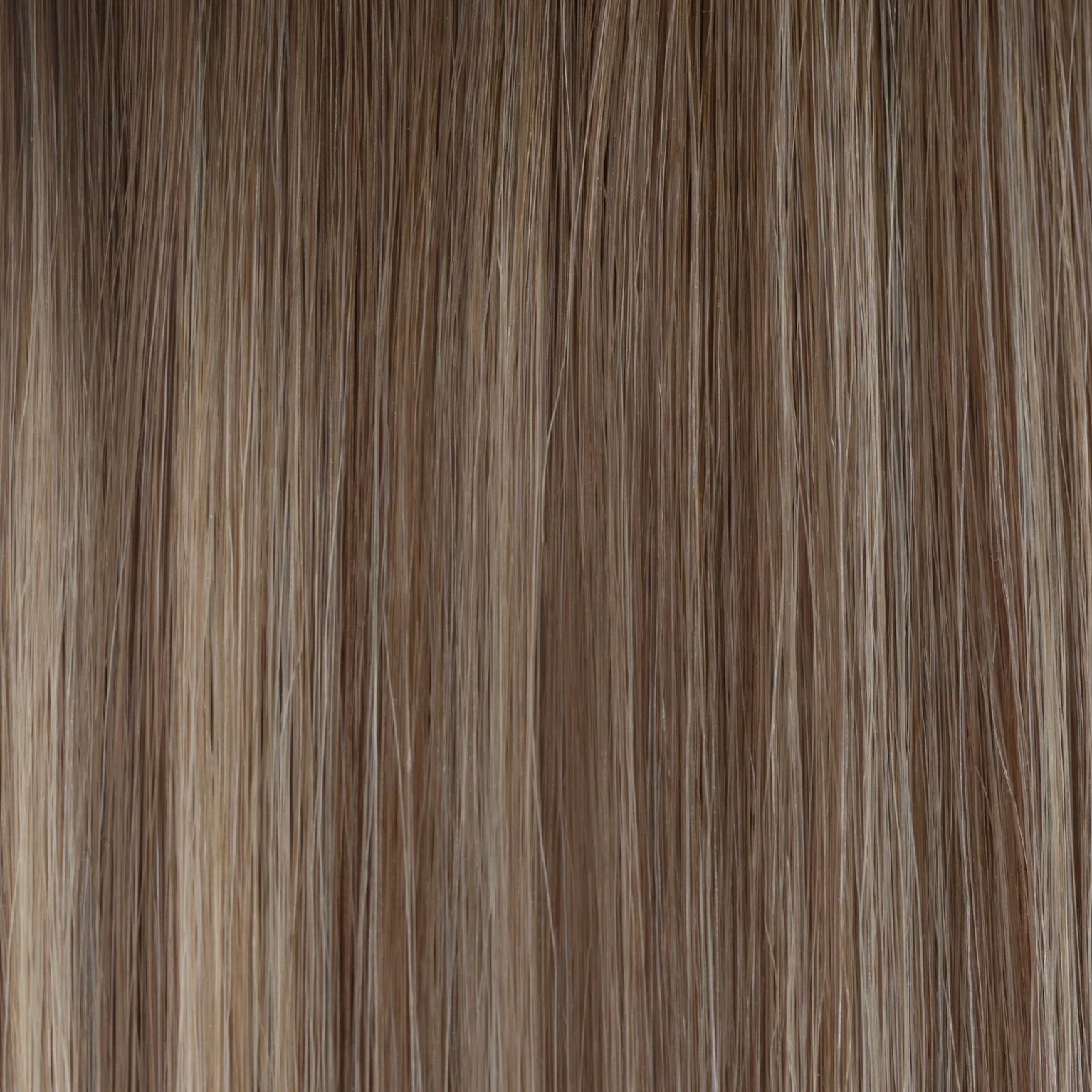
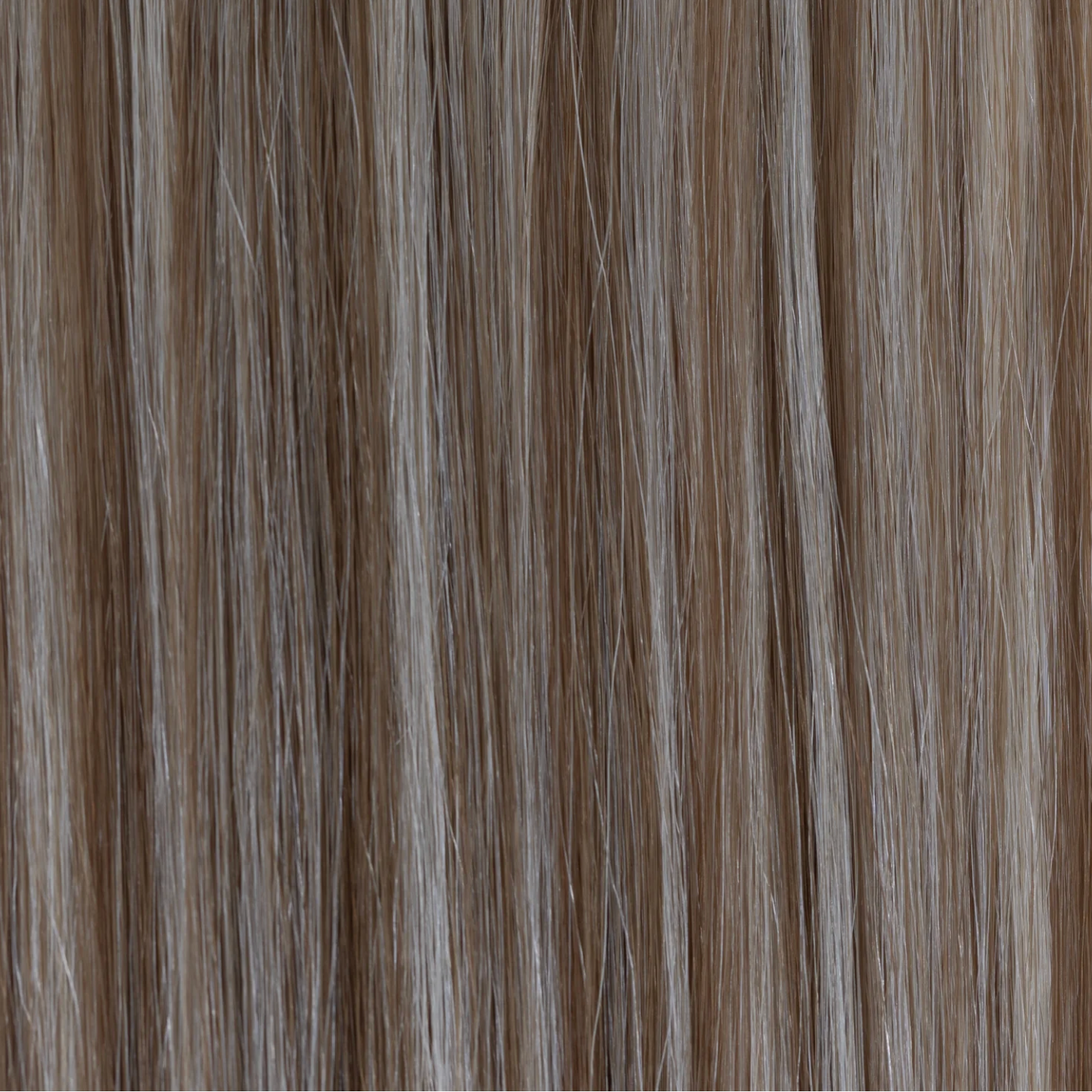
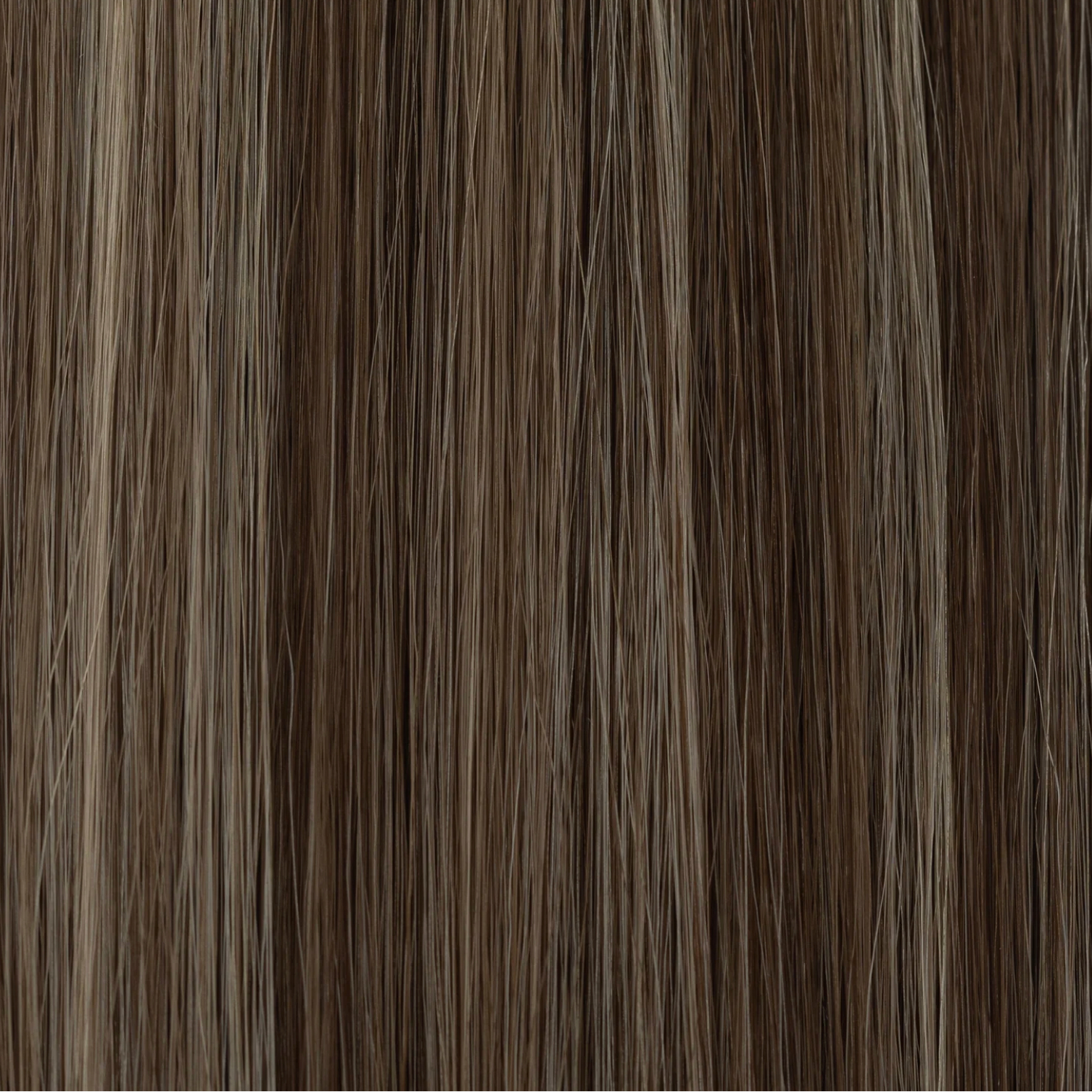
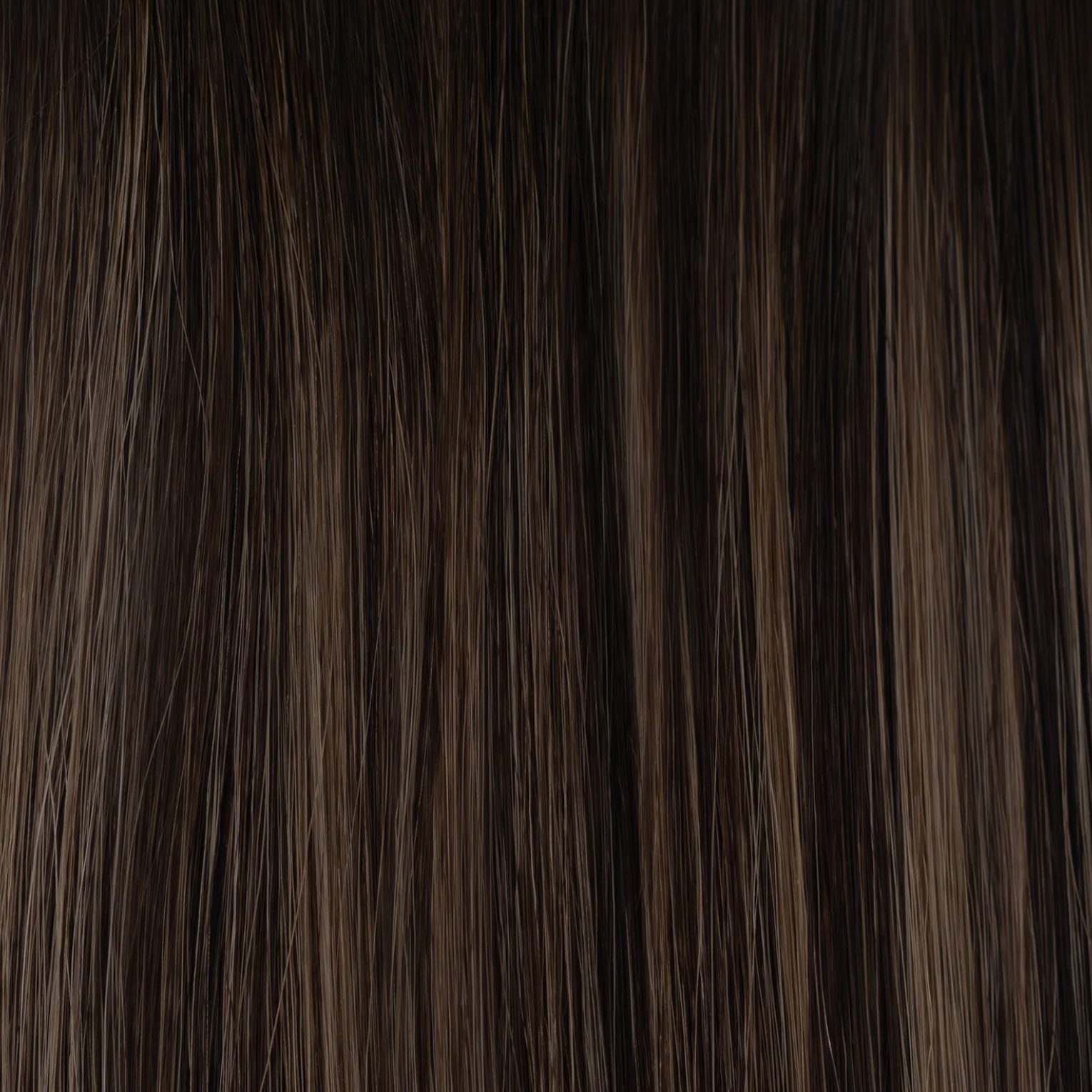
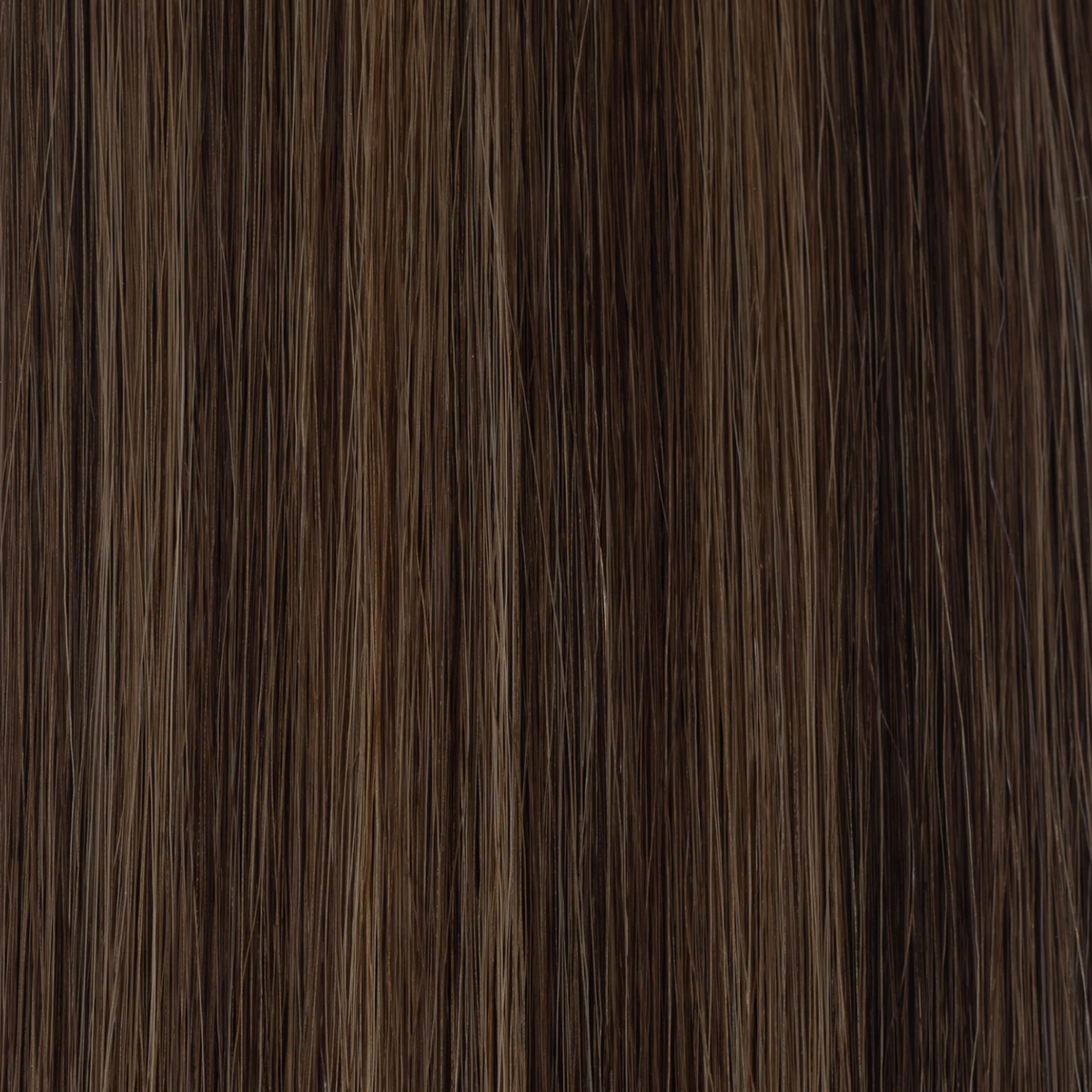
How to Know if Genius Weft Is Right for You
Genius Weft combines hand-tied thinness with machine-weft durability. It's the right choice when a client needs both discretion and longer wear between repositions.
You want fewer pieces on thick hair
One weft covers what would take six to eight tape tabs. For clients with thick or dense hair, wefts mean shorter installations and less material against the scalp.
Your client has an active lifestyle
The reinforced Genius seam holds through heat styling, workouts, and up to 10 weeks between repositions. Best for clients who don't want to think about their extensions daily.
You want to cut wefts to fit on the day
Unlike traditional hand-tied wefts, Genius Wefts can be cut to any width on installation without unraveling. That gives your stylist full flexibility to match the client's head shape and density.
Weft extensions: your questions answered
What is a weft?
A weft is a long strip of hair, sewn together along one edge so it forms a single row. Instead of fitting lots of small pieces one by one, your stylist attaches one continuous row at a time. That is why wefts are the go-to when someone wants a real change in volume or length in one appointment.
How is it attached?
Your stylist makes a row of small sections across the back of your head, secures them with beads or a braid, and sews the weft onto that row. Nothing is heated and no adhesive is used.
The rows sit horizontally, which means the weight is carried along the whole row rather than in one spot. Placement is what decides whether you can still wear your hair up, so it is worth saying at the consultation if you usually wear a ponytail.
This is salon work. Wefts are not something you fit yourself at home.
Can the weft be cut to fit?
Yes. Our Genius Weft can be cut anywhere along the row without unravelling, so your stylist can size it to your head on the day. Many wefts start shedding at the cut edge, which limits how they can be placed.
How often do they need adjusting?
Every six to eight weeks, give or take, depending on how fast your hair grows. As the rows move down, they get easier to see and start to pull, so your stylist takes them out and refits them closer to the root.
The hair itself outlasts a single fitting by a long way. The same wefts can go back in several times.
Do wefts work on fine hair?
It depends less on how fine each strand is and more on how much hair you have. A row needs enough hair to be anchored into, and on very fine or sparse hair there may not be enough to carry it comfortably.
If that sounds like you, tape extensions are usually the better route, since the weight is split between many small pieces. Invisible tape goes one step further, with a base that is harder to spot.
How do I care for them?
Much like your own hair, with a little more patience. Brush from the ends up and hold the row while you work near the top. Wash a few times a week with a sulphate-free shampoo, keep conditioner to the mid-lengths and ends, and dry the rows properly, since damp hair trapped at the root is what causes matting.
Weft or tape?
Thick hair and a big change point towards wefts. Fine hair, or a first set, usually points towards tape. Plenty of people end up with both.
