
Invisible Tape
For when there is less hair to hide behind. A thinner, see-through base that stays out of sight at the parting, in the same 100% human hair.
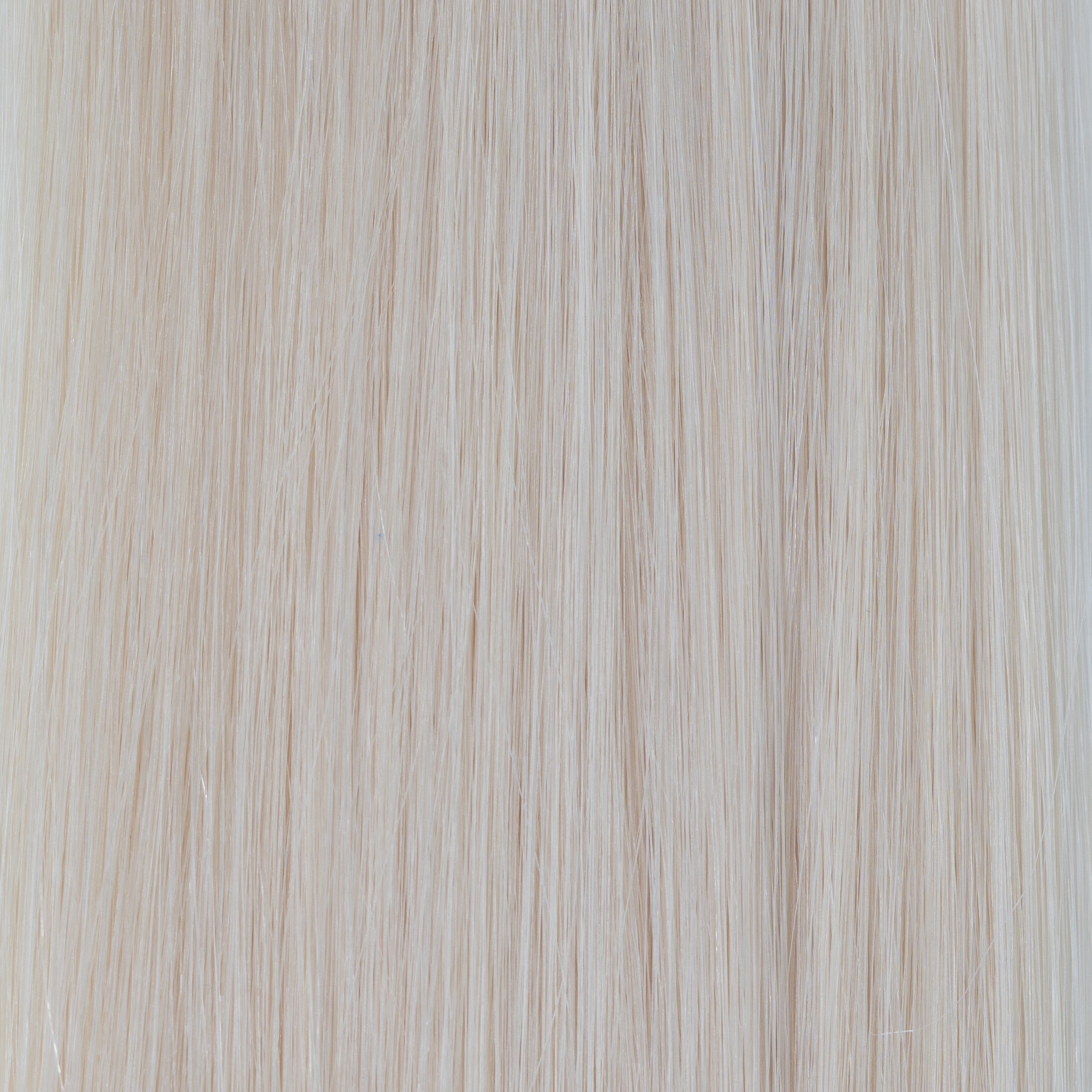
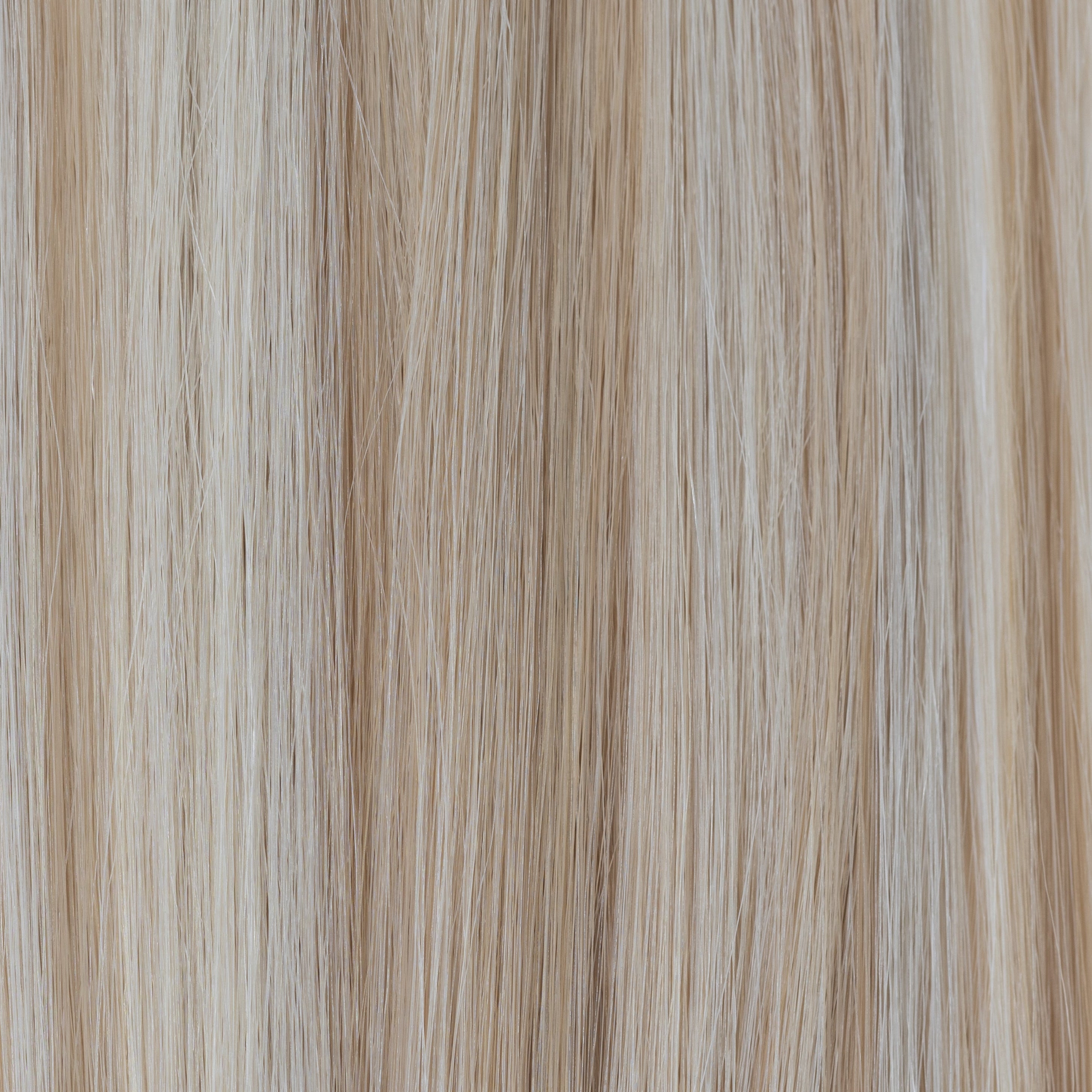
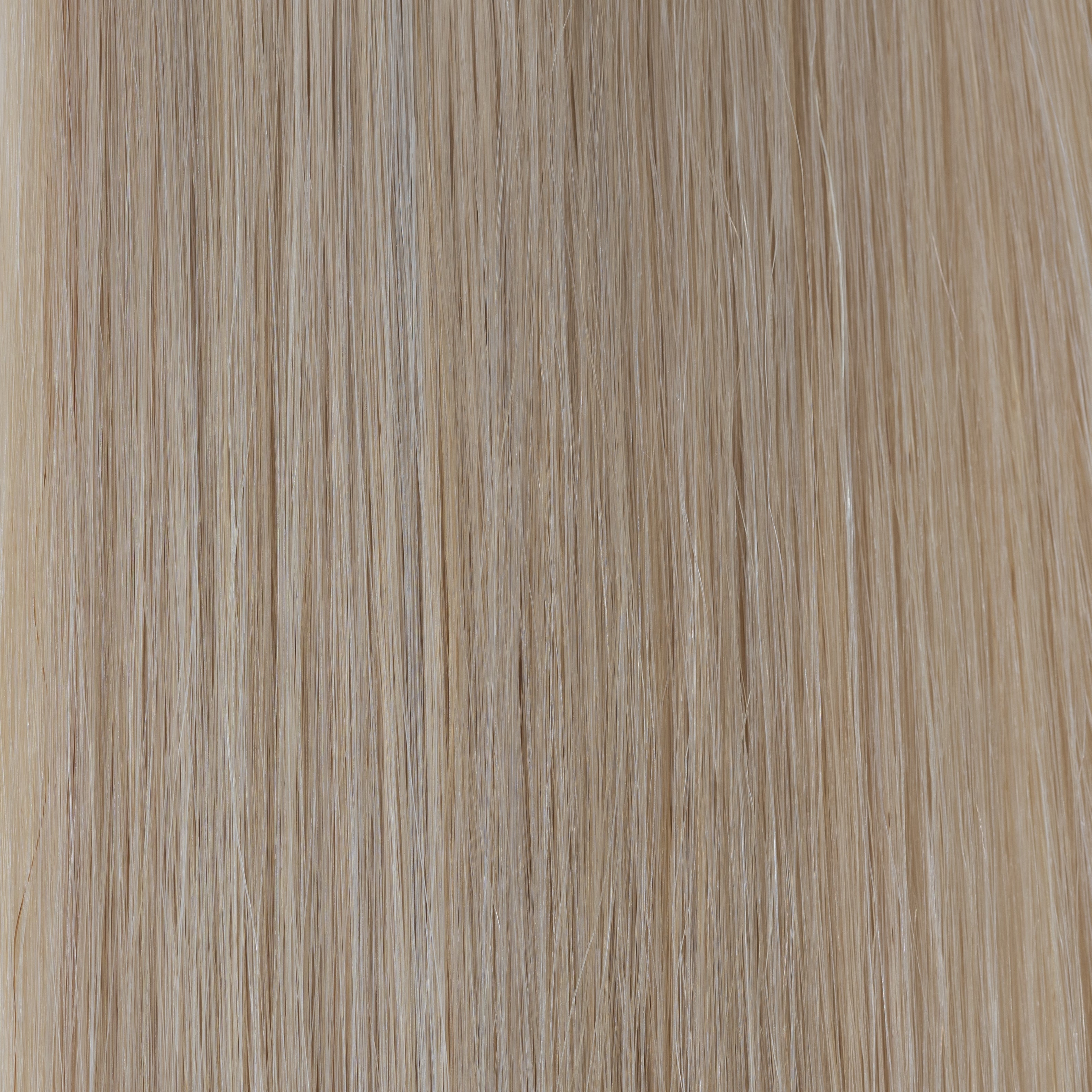
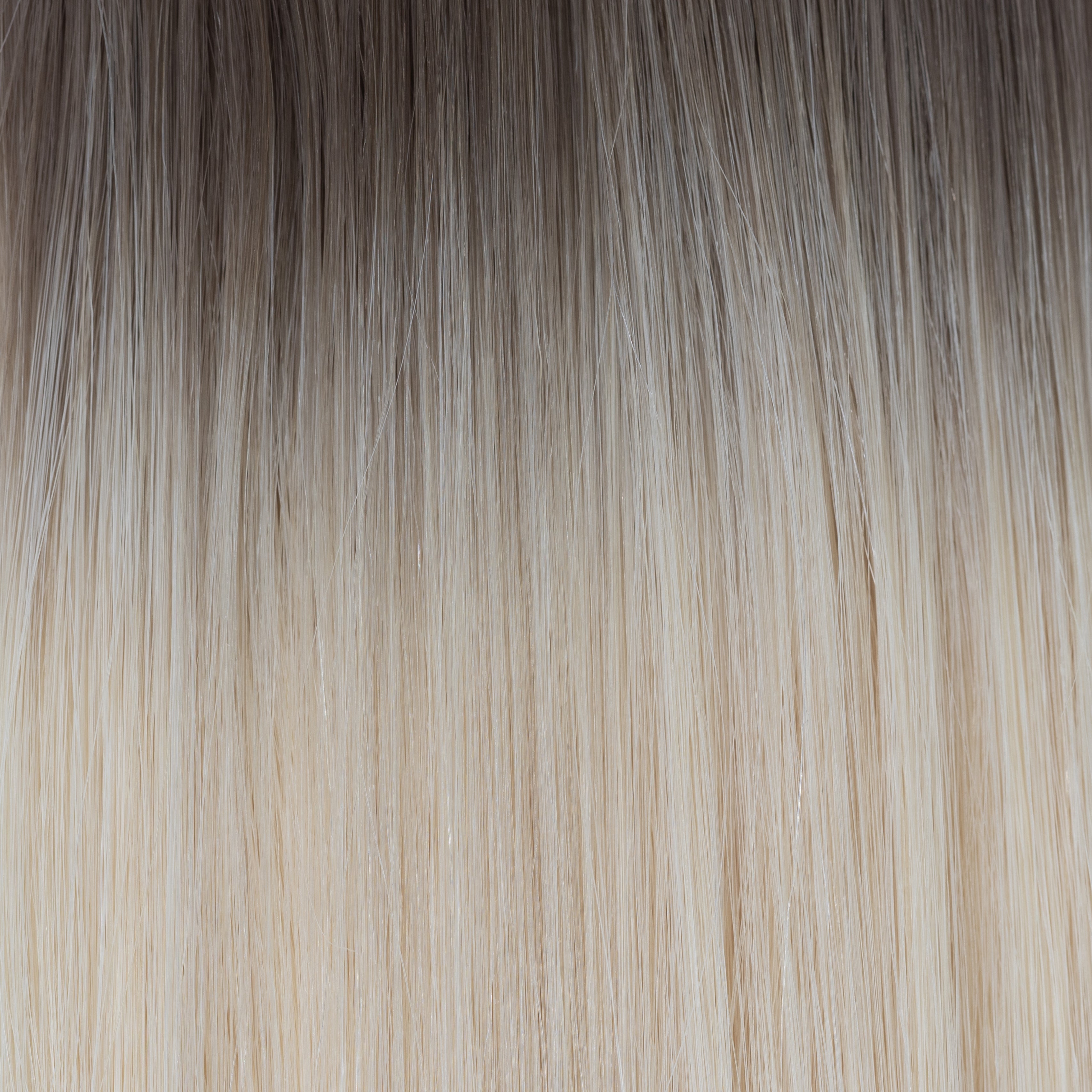
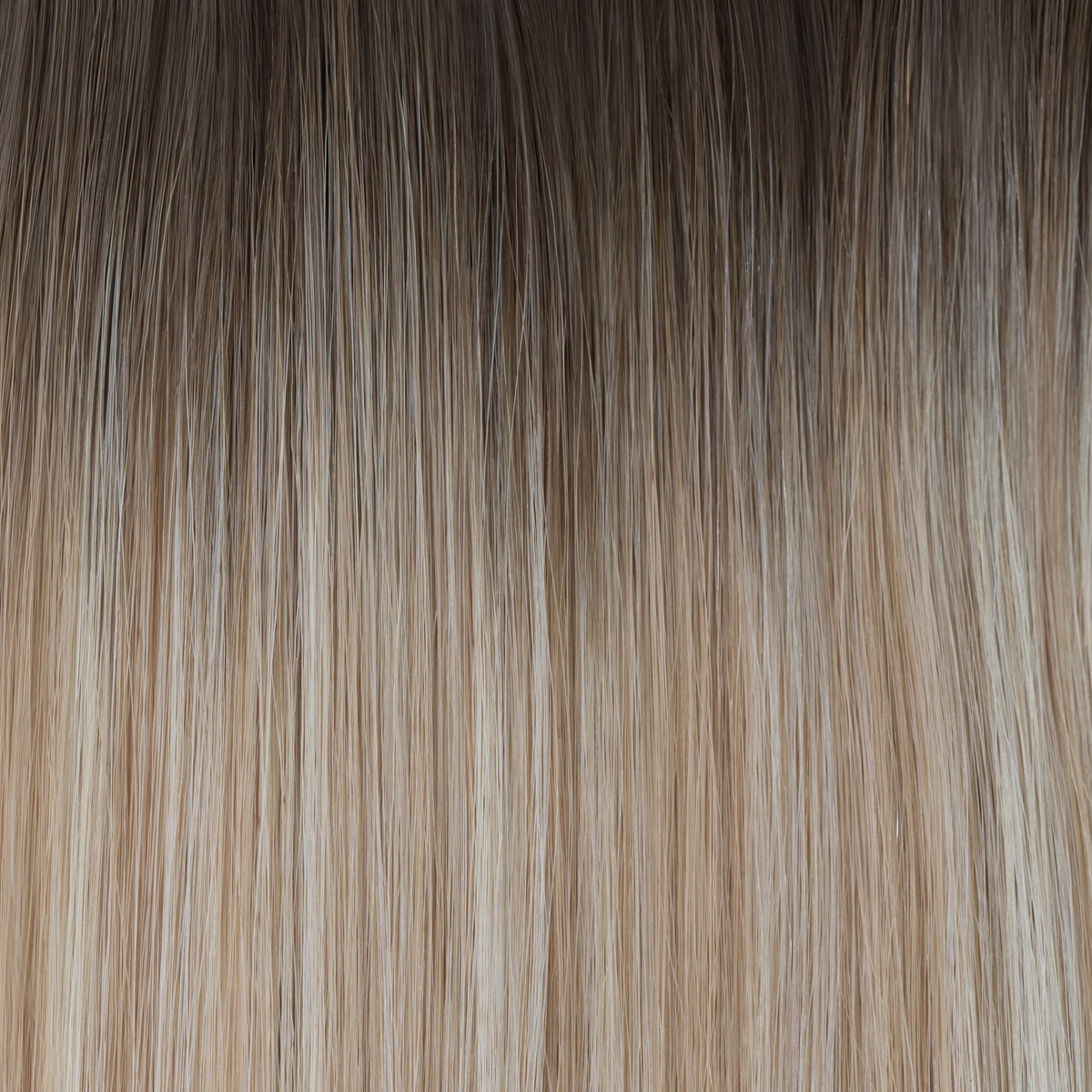
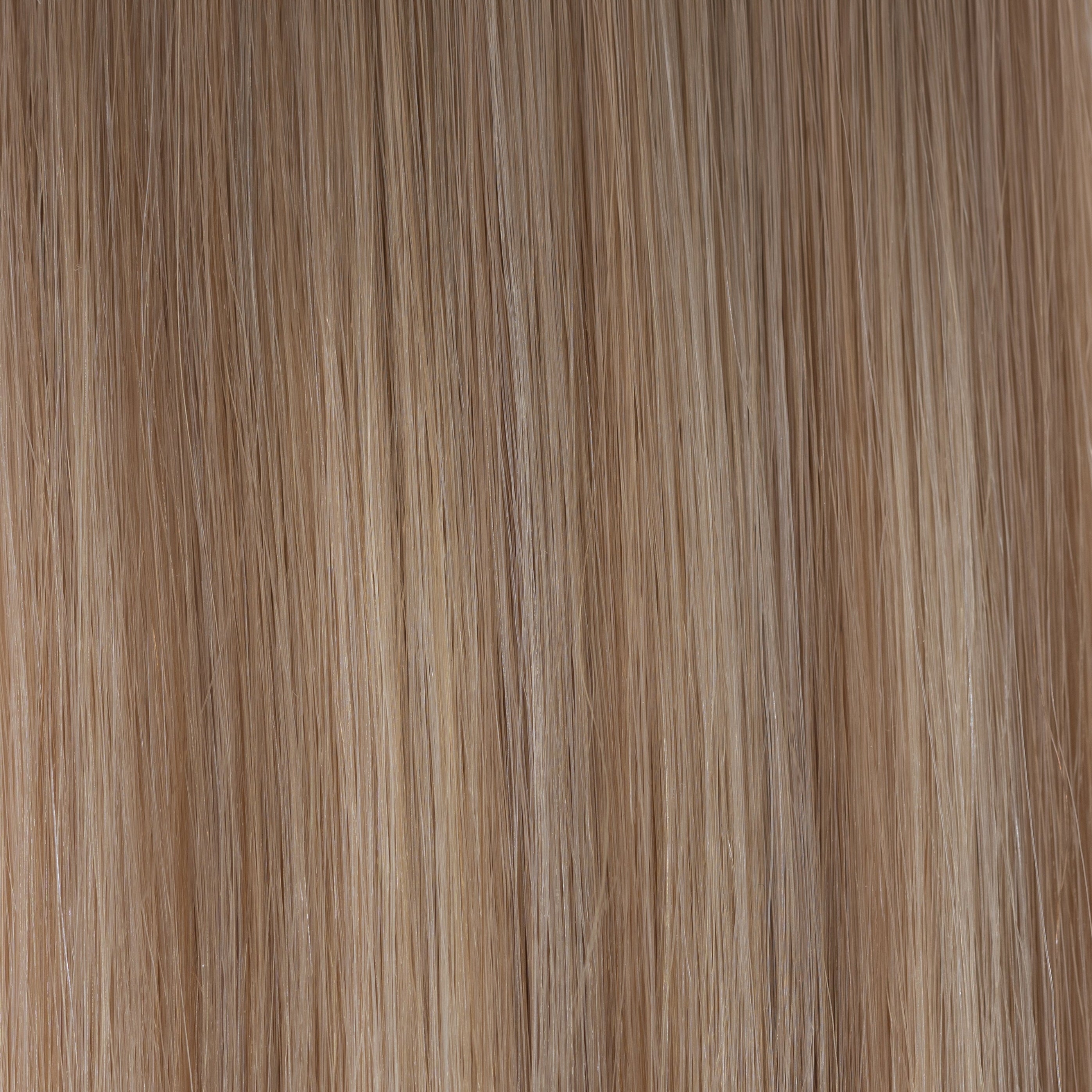
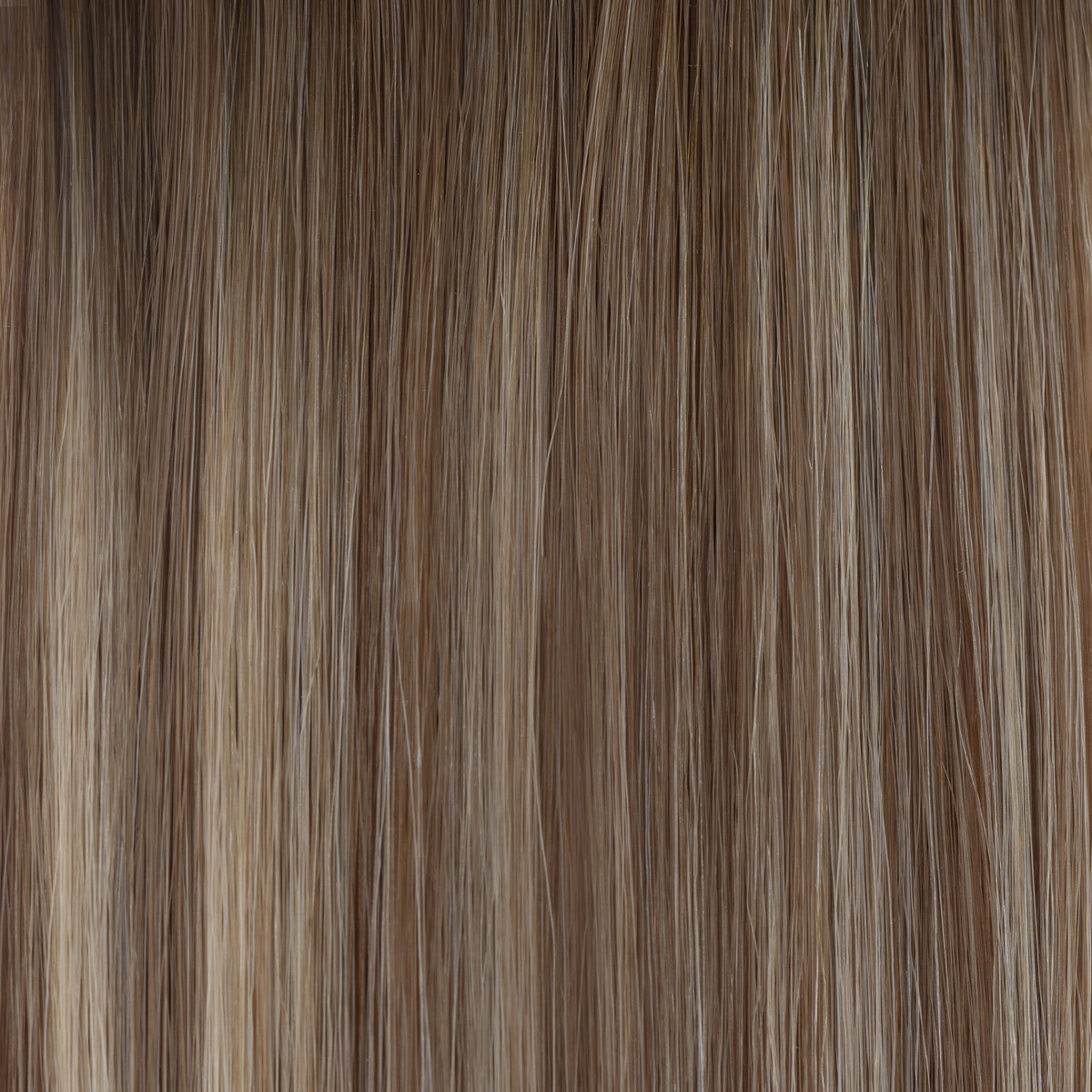
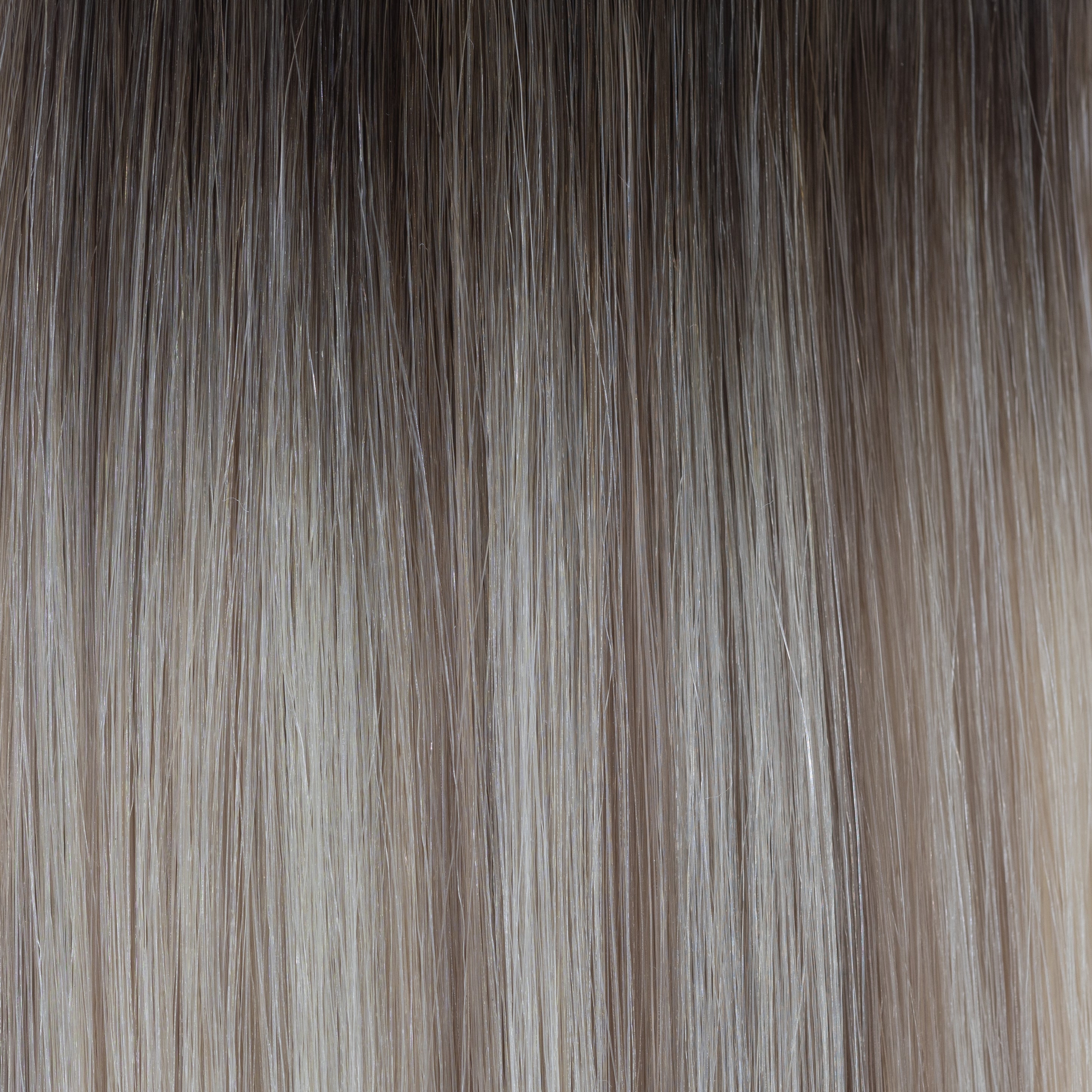
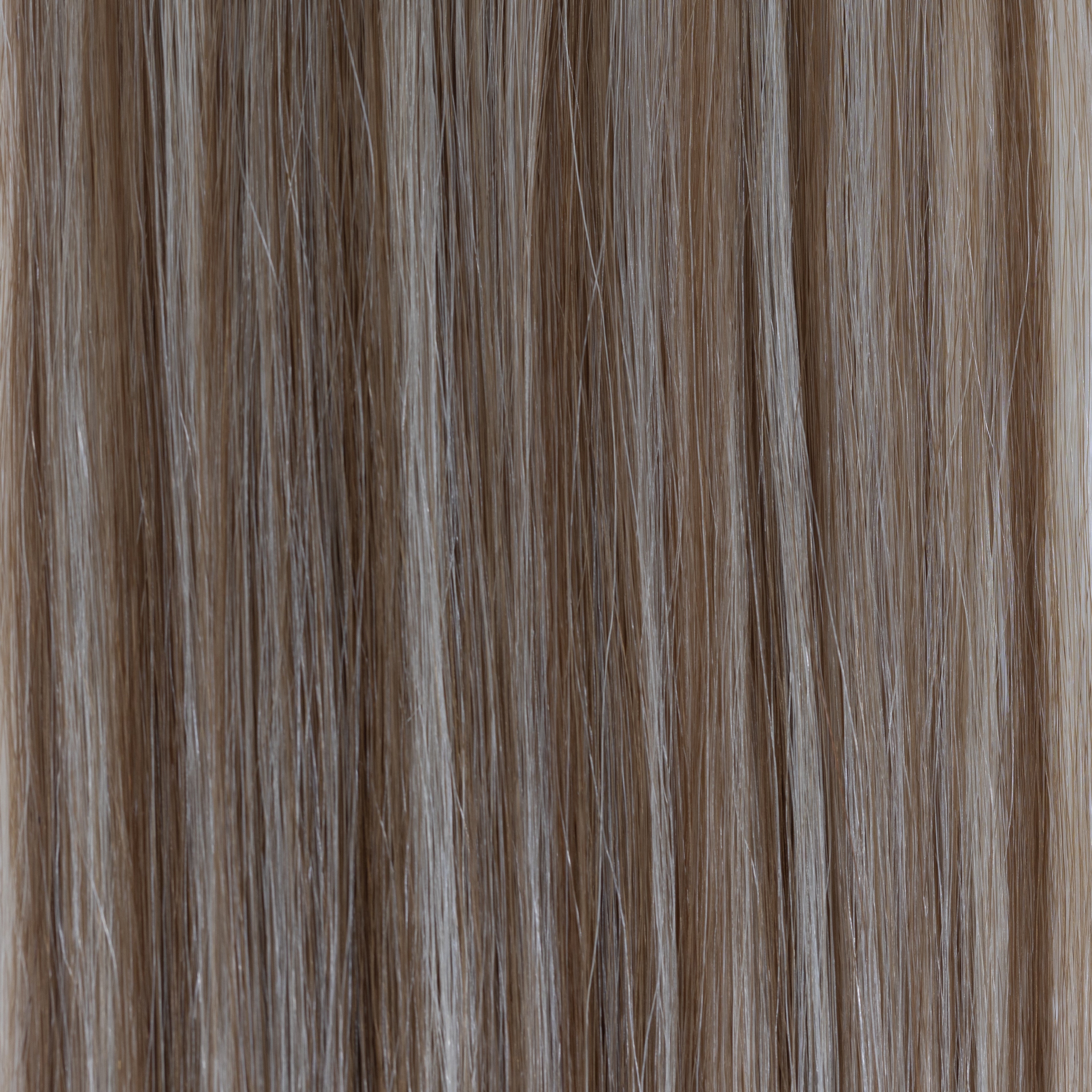
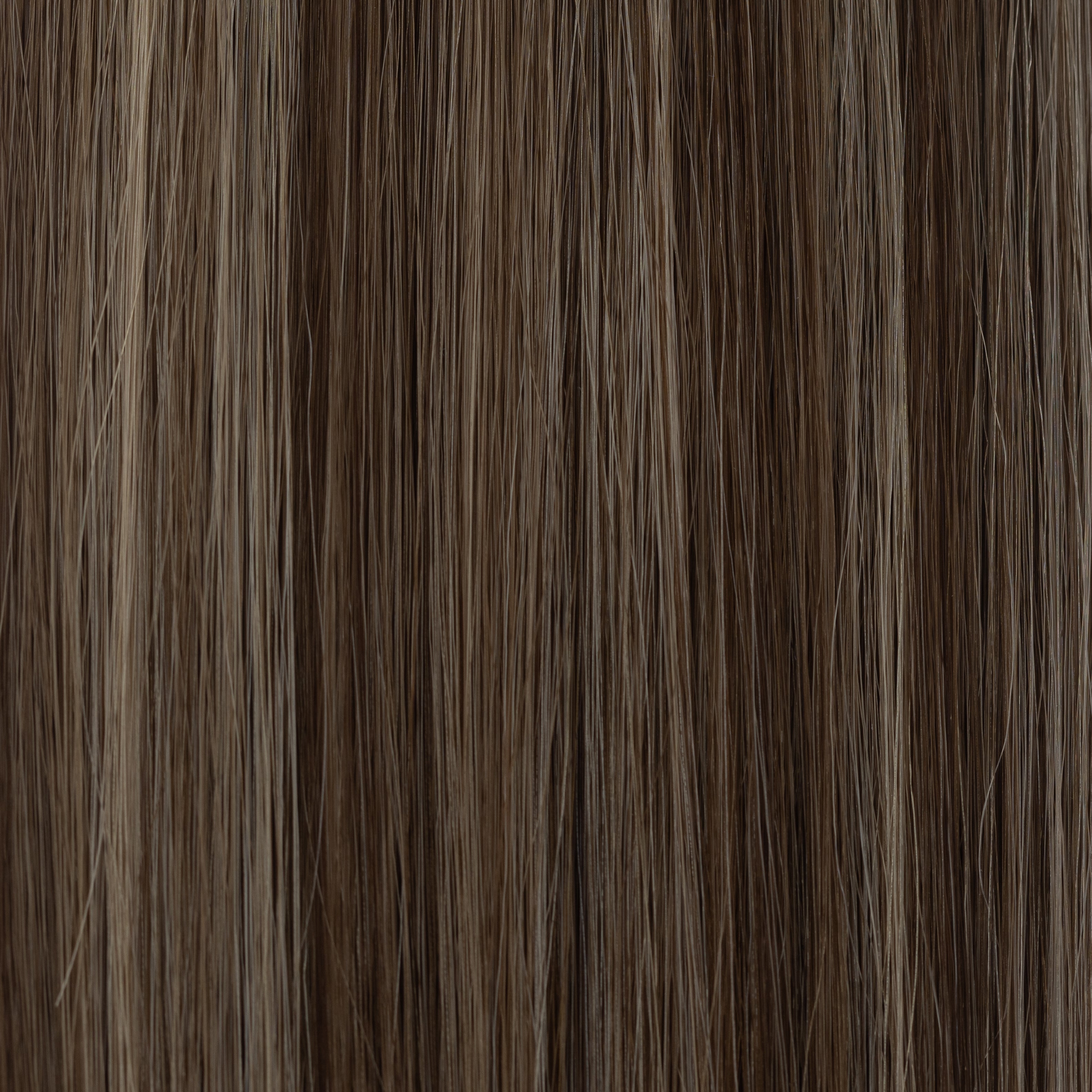
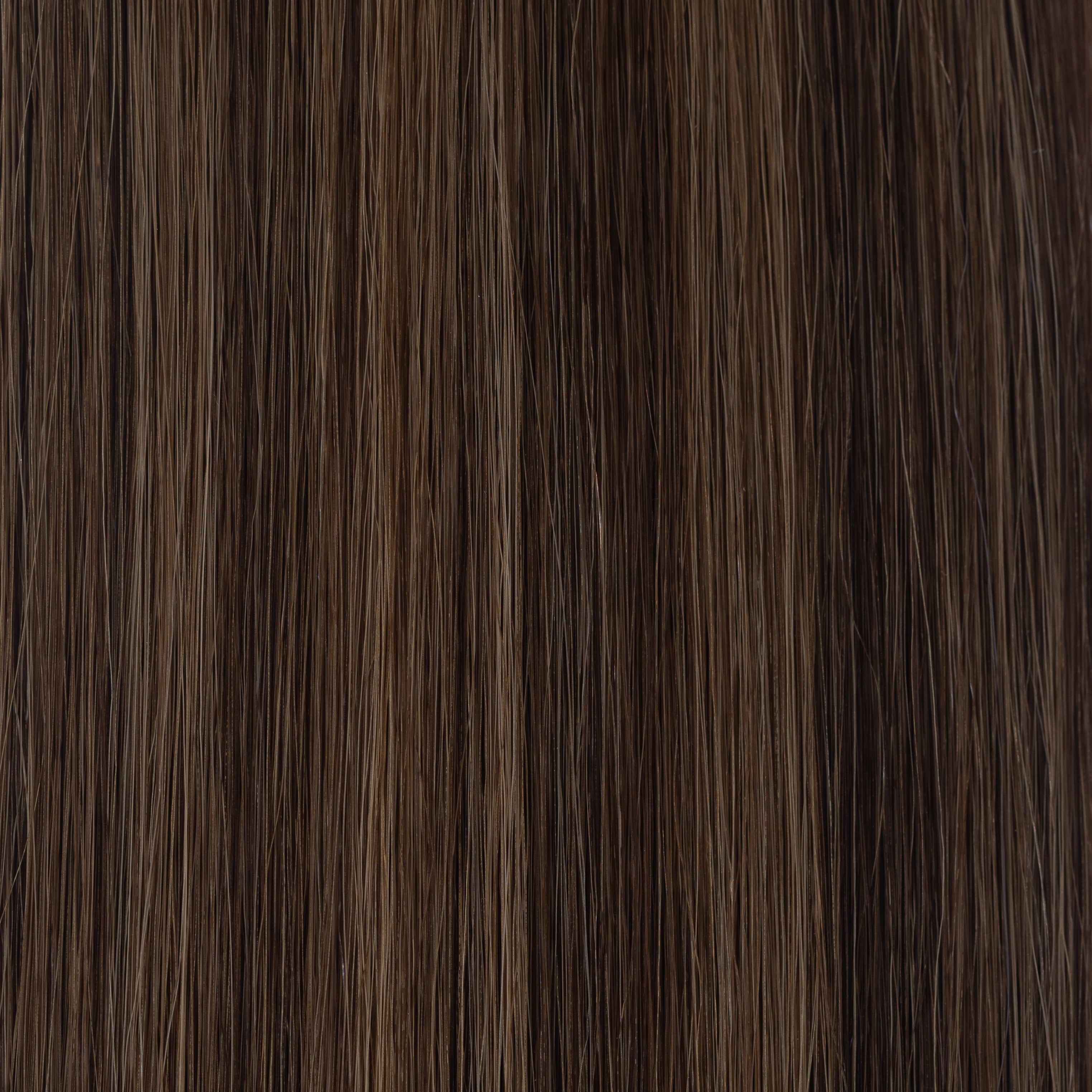
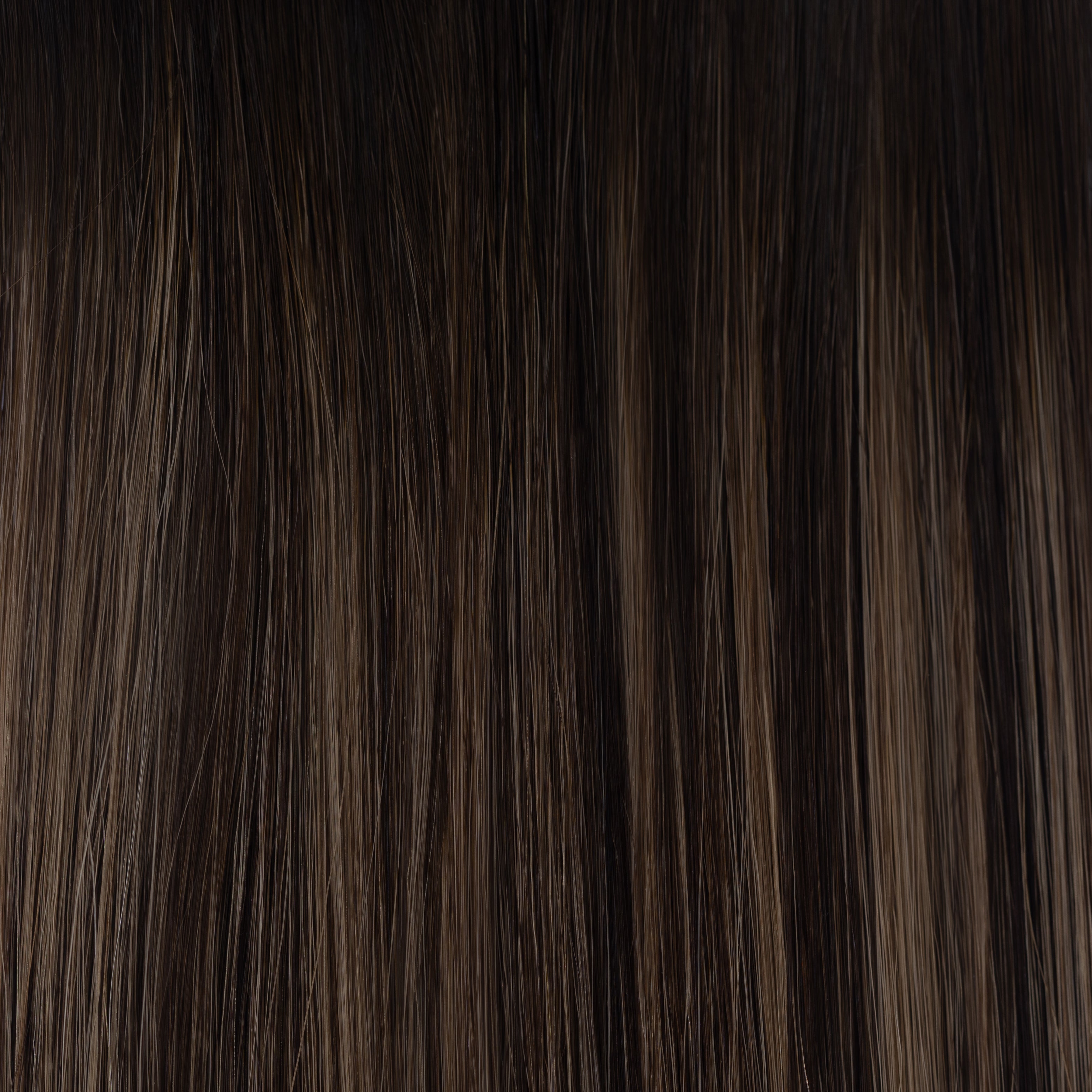


How to Know if Invisible Tape Is Right for You
Invisible tape uses a thinner, more transparent tab designed to disappear in the finest hair. It's the specialist choice when standard tape shows through.
Your client has very fine or thinning hair
The near-transparent adhesive tab blends into low-density hair where regular tape would show through the strands. If clients have felt exposed by other extensions, invisible tape is where to start.
Your client wears high ponytails and updos
Invisible tape's low-profile seam stays hidden even when hair is pulled up or parted in unusual ways. The format most trusted by clients who style aggressively.
You want the most discreet first-time option
For clients nervous about anyone noticing they wear extensions, invisible tape is the most confidence-boosting choice. The tab is essentially undetectable to the untrained eye.
Invisible tape: your questions answered
What makes invisible tape different?
The base. A regular tape has a small opaque strip holding the hair, and it needs a little of your own hair on top to cover it. Invisible tape uses a thinner, more transparent base, so there is far less to hide in the first place.
Everything else works the same way. Two tapes sandwich a thin section of your hair, and the whole thing lies flat against the head.
Who should choose it?
Anyone whose hair is fine or sparse enough that the attachment might show. That includes people with thin hair generally, but also anyone with a wide parting, a high hairline or hair that tends to fall flat against the scalp.
It is also worth considering if you often wear your hair up, or if you have tried extensions before and felt you could always see where they sat.
Can I wear my hair in a ponytail?
Usually yes, as long as your stylist knows that before they start. Placement is what decides it.
Does it hold as well as regular tape?
Yes. The base is thinner, not weaker, and the adhesive is the same. What loosens any tape is oil, conditioner or heavy product near the root, not the type of base.
So the routine is the same. Keep conditioner to the mid-lengths and ends, rinse thoroughly, and dry the root area properly after washing.
How long does a set stay in?
Six to eight weeks between move-ups, the same as classic tape. At each appointment the pieces come out, get fresh tape and go back up near the root.
The hair lasts through several of those rounds. What shortens it is heat without protection, chlorine and brushing roughly, rather than the number of refits.
Is it gentle on fine hair?
Tape is already the method most stylists recommend for fine hair, because the weight spreads across a wide, flat section instead of pulling on a few strands. Invisible tape keeps that and adds a base that is easier to disguise.
What actually protects your hair is how much weight it carries and how regularly the tapes are moved up. A good stylist will use fewer pieces on fine hair, not more.
Can I mix it with other methods?
Yes, and stylists often do. Invisible tape around the parting and hairline where it shows most, classic tape or a weft further back where there is more hair to cover it.
